In recent years, Kenyan homeowners have faced relentless increases in KPLC electricity tariffs, compounding fuel surcharges, and unexpected arrears that arrive without warning. For many households, electricity is now one of the largest monthly expenses — and one of the most unpredictable.
The good news: solar energy now offers a proven, financially sound alternative. Thousands of Kenyan homeowners have already made the switch and are reporting electricity bill reductions of between 60% and 85%.
Why KPLC Bills Keep Rising
Kenya's electricity tariffs are made up of multiple components: the energy charge, the fuel cost charge, the foreign exchange fluctuation adjustment (FEAC), the inflation adjustment, and government levies. When global fuel prices rise or the shilling weakens, your bill rises automatically — even if your consumption stays exactly the same.
The result: Kenyan households are paying for global market movements they cannot control.
How Solar Cuts Your Bill
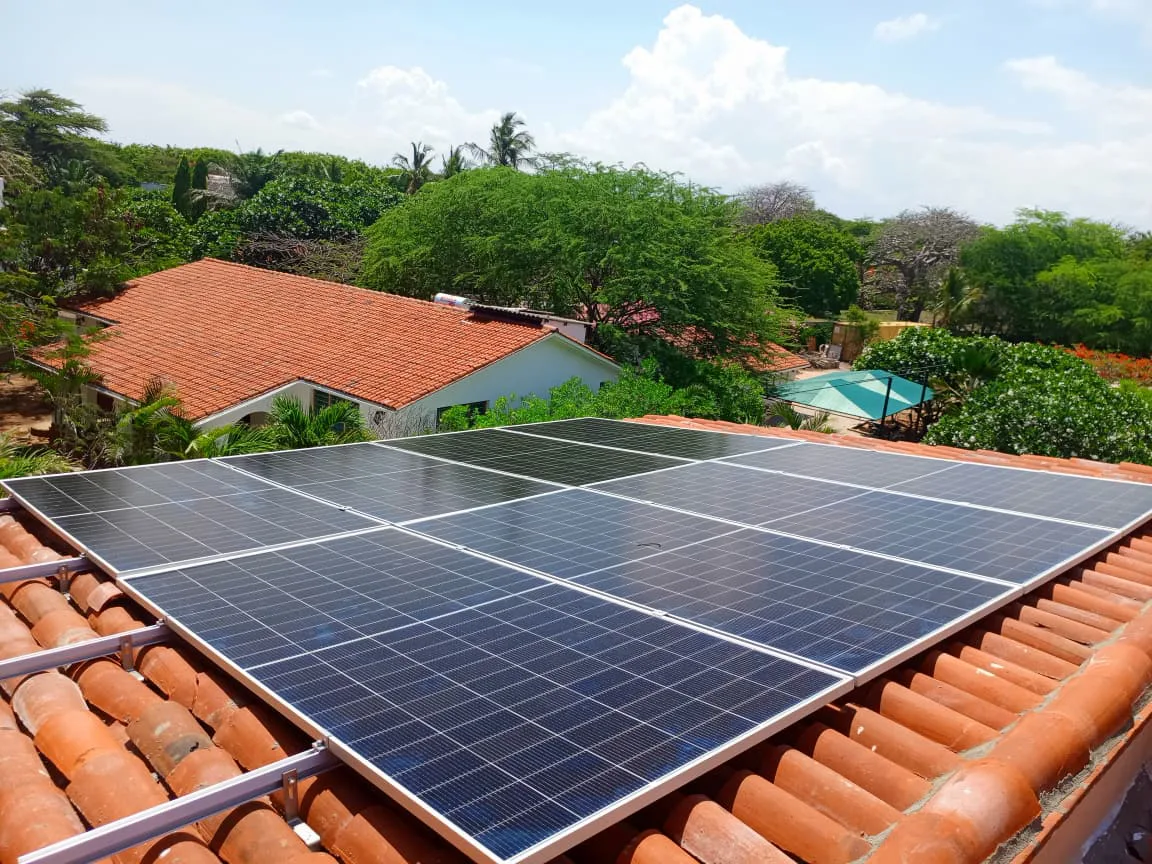
A home solar system generates electricity from the sun and powers your home directly during daylight hours. When your solar panels are producing power, you are not drawing from KPLC — so you are not paying KPLC rates.
Depending on the system type:
- Grid-tied systems reduce your daytime KPLC consumption — typically by 50–70%.
- Hybrid systems add batteries, so you also run on solar power at night and during blackouts — typically reducing bills by 75–85%.
- Off-grid systems eliminate the KPLC bill almost entirely, keeping KPLC only as a rare backup.
Real Numbers: What Our Clients Pay
One homeowner in Roysambu, Nairobi, was paying KES 25,000 per month and had received arrears of KES 97,286. After a Claridge Solar hybrid installation, her monthly bill dropped below KES 5,000 — a saving of over KES 20,000 every month. Her payback period was approximately 3 years.
A homeowner in Ongata Rongai reduced their bill from KES 20,000 to KES 4,000 per month after a Claridge Solar residential installation.
Is Solar Worth It for Your Home?
Whether solar is financially right for you depends on your monthly bill, your daytime vs. nighttime power use, and whether backup during blackouts matters to you. Use our free solar calculator to get a personalised estimate for your home in under two minutes.
Ready to cut your KPLC bill?
Get a personalised solar estimate for your home — free, no obligation.
Calculate My Savings →