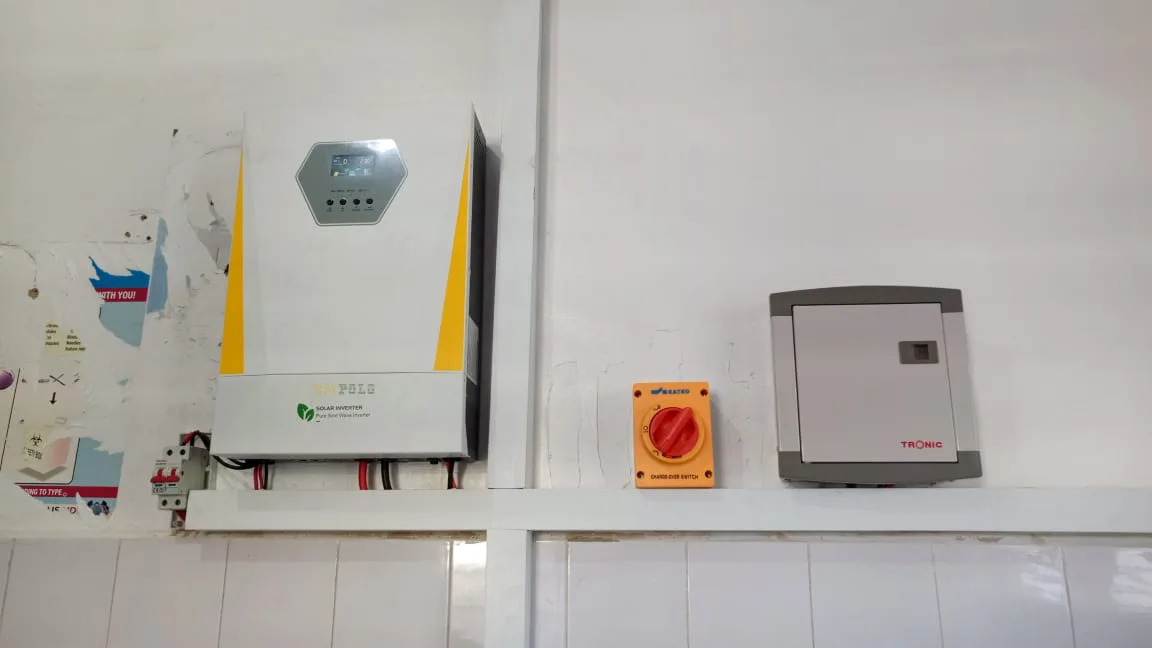
When building a solar PV system, the inverter is the brain of the operation. It converts the DC electricity your panels generate into the AC electricity your appliances use — and it decides where that power comes from and where it goes. Choosing the wrong inverter type can mean your system doesn't do what you paid for.
What Is a Hybrid Inverter?
A hybrid inverter manages three power sources simultaneously: your solar panels, your battery bank, and the KPLC grid. It uses a built-in priority logic to decide which source powers your home at any moment, and it can charge your batteries from either the solar panels or KPLC.
The key feature: a hybrid inverter stays connected to KPLC. When KPLC is available and your batteries are full, it can draw from the grid. When KPLC goes off, it switches automatically to battery backup — typically in under 20 milliseconds, which most appliances never notice.
Hybrid is ideal when:
- You are connected to KPLC and want to use it as backup or supplementary power
- You want battery backup for outages without going fully off-grid
- You want to maximise solar self-consumption while keeping the grid as insurance
What Is an Off-Grid Inverter?
An off-grid inverter is designed to operate with no grid connection at all. It manages only two sources: solar panels and batteries. The system must be sized to cover 100% of your energy needs from the sun and battery storage alone.
Off-grid is ideal when:
- You are in a location with no KPLC connection
- KPLC is available but extremely unreliable — more than 8 hours of outage per day
- You want to be completely energy-independent and are prepared to invest in sufficient battery storage
Cost Comparison
Hybrid systems are generally more cost-effective for homes and businesses with grid access, because you can size the battery bank for backup hours (not full-day storage), and KPLC covers the rare gap. Off-grid systems require larger battery banks and are costlier to size correctly for year-round reliability.
Which One Is Right for You?
If you are in Nairobi, Mombasa, or any other area with KPLC access — even unreliable KPLC — a hybrid system is almost always the better value. If you are building on a plot with no grid access, or in a remote area where connecting to the grid is expensive, an off-grid system is the right choice.
Not sure which inverter type fits your situation?
Our team will assess your power needs and recommend the right system — at no charge.
Talk to Our Engineers →